
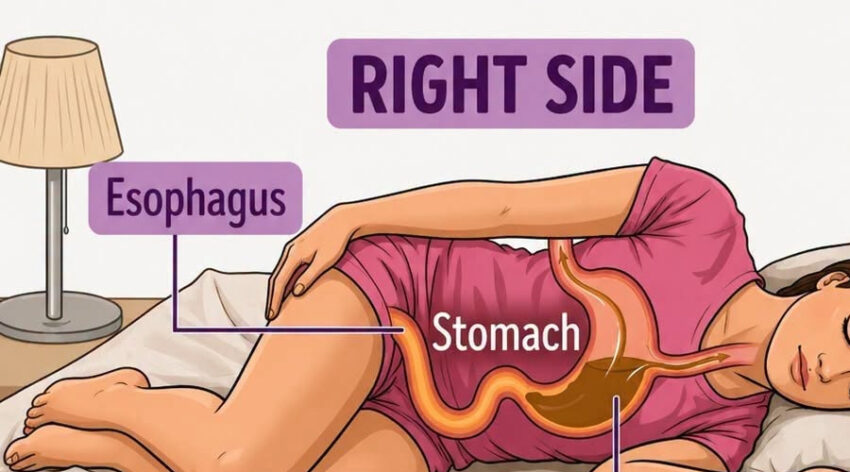
Many people wonder whether sleeping on the right side helps reduce snoring. Research suggests that while side sleeping is generally better than sleeping on the back, the left side may provide additional benefits for people with acid reflux and certain breathing issues.
Getting a good night’s sleep is about more than simply spending enough hours in bed. The position you sleep in can influence breathing, digestion, and overall sleep quality. One of the most common questions people ask is whether sleeping on the right side can reduce snoring or whether another sleeping position is actually more beneficial.
Snoring occurs when the airway becomes partially blocked during sleep. As the muscles in the throat relax, the tongue and soft tissues may narrow the airway, causing airflow to vibrate these tissues and produce the familiar snoring sound. Factors such as body weight, allergies, nasal congestion, alcohol consumption, and sleep posture all play a role in determining how severe snoring becomes.
Medical experts generally agree that sleeping on either side is better than sleeping flat on your back. When lying on the back, gravity can pull the tongue and soft palate toward the airway, making obstruction more likely and increasing the intensity of snoring. Simply changing to a side-sleeping position often helps many people breathe more comfortably during the night.
However, not all side-sleeping positions have identical effects.
For many individuals, sleeping on the right side may reduce snoring compared with sleeping on the back. Keeping the airway more open can improve airflow and decrease vibration in the throat. This position may be comfortable for many healthy adults and can contribute to more restful sleep.
On the other hand, many sleep specialists suggest that sleeping on the left side may provide additional advantages, particularly for people who experience acid reflux or gastroesophageal reflux disease (GERD). Because of the natural shape and position of the stomach, lying on the left side may help keep stomach acid from flowing back into the esophagus, reducing nighttime heartburn and irritation that can worsen snoring.
Acid reflux is closely connected to sleep quality. When stomach acid repeatedly reaches the throat, it can irritate surrounding tissues, causing inflammation that narrows the airway. This irritation may make snoring worse and increase nighttime coughing or discomfort. For people with frequent reflux symptoms, changing sleep position is often recommended alongside other lifestyle modifications.
Individuals diagnosed with obstructive sleep apnea should remember that sleep position alone is usually not enough to treat the condition. Although side sleeping may reduce symptoms in some patients, medical evaluation remains essential. Treatments such as continuous positive airway pressure (CPAP), oral appliances, weight management, or surgery may be necessary depending on the severity of the disorder.
In addition to changing sleeping position, several healthy habits may help reduce snoring naturally. Maintaining a healthy weight, avoiding alcohol before bedtime, treating nasal congestion, establishing a consistent sleep schedule, and sleeping with the head slightly elevated can all improve nighttime breathing. Using supportive pillows designed for side sleepers may also help maintain proper alignment throughout the night.
While sleeping on the right side may help reduce snoring for some people, current evidence suggests that the left side is often the preferred choice for individuals with acid reflux because it helps limit stomach acid from moving upward into the esophagus. The best sleeping position ultimately depends on your individual health, comfort, and any underlying medical conditions.
If loud snoring is accompanied by pauses in breathing, excessive daytime sleepiness, morning headaches, or choking during sleep, it is important to seek medical advice. These symptoms may indicate obstructive sleep apnea, a condition that requires proper diagnosis and treatment.
Improving sleep quality often begins with small changes. Choosing the most suitable sleeping position, practicing healthy bedtime habits, and addressing any underlying health issues can help you enjoy quieter, more restorative sleep.