
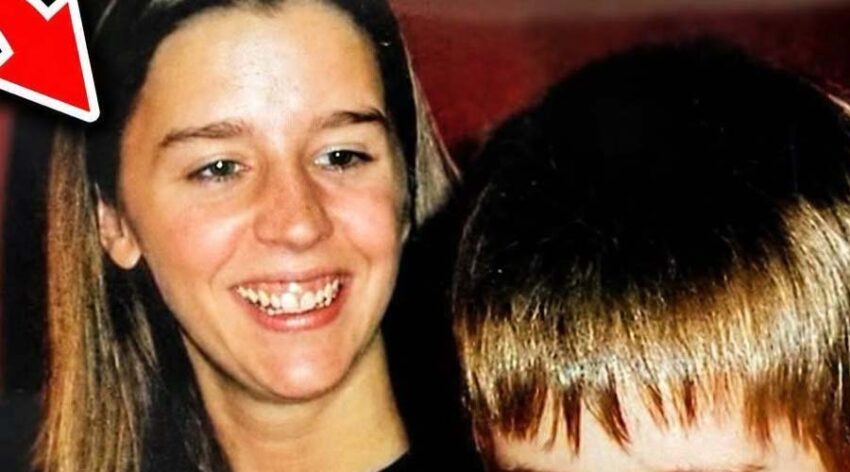
At 17, Pattie Mallette faced motherhood with a painful past and no clear path forward. Behind Justin Bieber’s future fame lay a young woman confronting shame, uncertainty, and pressure to end her pregnancy.
Reflecting on her memoir in a candid interview, Mallette described surviving years of sexual abuse and struggling with shame, depression, and substance abuse. She also spoke about a teenage suicide attempt amid prolonged emotional pain. Drugs and alcohol, she recalled, intensified her struggles rather than easing them. Her account highlighted how survivors can internalize blame, mistaking what happened to them for evidence that something is wrong with who they are.
Learning she was expecting Justin brought difficult questions about her future. Despite pressure to have an abortion, Mallette said she knew that was not the choice she wanted. Without knowing how she would manage as a young single mother, she committed to doing her best. She remembered his first cry as music—the most precious sound she had heard. Her reflections center not on his eventual celebrity, but on faith, resilience, and her determination to give her son the best life she could.
The account she shared begins well before she became a mother. Her description of shame shows how the emotional effects of abuse can continue after the events themselves. She had absorbed feelings about herself that were tied to what had been done to her. Speaking about that experience later gave her a way to distinguish the pain she carried from the blame she had directed inward.
Her memories of substance use belong to that period of distress. She describes trying to escape feelings that had become difficult to bear and finding that the escape did not resolve them. That part of the story helps explain the uncertainty she was already living with when she learned that she was pregnant.
The decision about her pregnancy was deeply personal. Other people had opinions about what she should do, but she had to think about the life she would live afterward. Her account describes knowing what she wanted while still having questions about how she would manage. Determination and uncertainty could exist together.
When she remembers her son’s first cry, the detail comes from a moment in which none of his later public life had happened. What mattered then was hearing her baby and recognizing the reality of becoming his mother. Calling the sound music gives a sense of how strongly that ordinary first sound remained with her.
Her reflections also make space for the gradual nature of rebuilding. The arrival of a child did not change what she had survived. It gave her a new responsibility and a reason to think about the life she wanted to make from that point forward. Her faith and her commitment to her son belong to that account of moving ahead.
Justin’s later fame makes it easy for readers to begin with the public outcome and work backward. Mallette’s memory begins somewhere else. She was a young woman facing a choice, carrying a painful history and trying to imagine what daily life with a child might require. Keeping that perspective in view preserves the meaning of the story she chose to tell.