
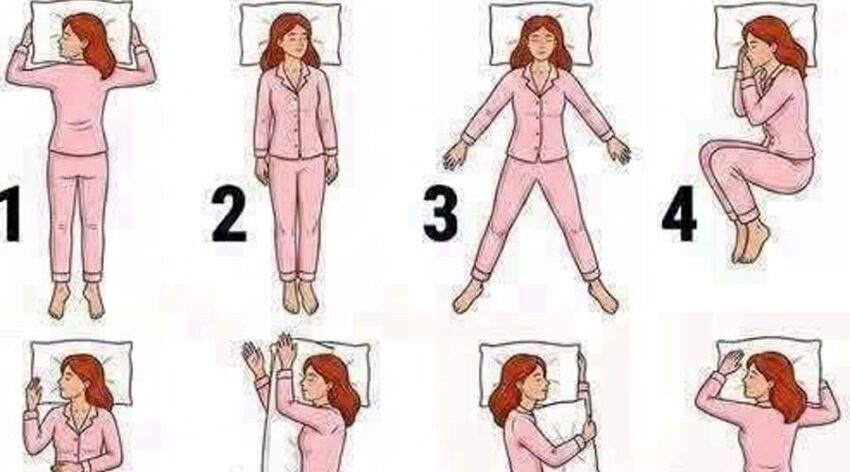
The “Arms Up” Sleeper: You lie on your back with your arms raised near your pillow. Lazy level: 3/10. You’re mentally active and open to challenges. You like comfort, but you’re not lazy—you just prefer doing things your own way.
The Straight Sleeper: Flat on your back with arms by your sides. Lazy level: 5/10. You value routine and structure. You may seem unmotivated at times, but once you start, you’re steady and reliable.
The Starfish: You spread out and take up lots of space. Lazy level: 7/10. You enjoy comfort and relaxation. You may avoid extra effort, but you’re also easygoing and generous.
The Curled-Up Ball: You sleep tightly on your side. Lazy level: 4/10. You’re thoughtful and conserve energy. You may seem reserved, but you’re just selective about where you put your effort.
The Casual Side Sleeper: Relaxed on your side. Lazy level: 6/10. You balance work and rest. You’ll do what’s needed but won’t overdo it, especially if there’s an easier way.
The Pillow Hugger (Face Down): Partly on your stomach, hugging a pillow. Lazy level: 8/10. You love comfort and may struggle to get moving without a strong reason.
The Dedicated Pillow Hugger (Side): Curled on your side holding a pillow. Lazy level: 6/10. You value emotional comfort and do best when you feel secure.
The Half-Turn Sleeper: Between back and side. Lazy level: 5/10. You’re adaptable and go with the flow. Overall, sleep position doesn’t define laziness—it just reflects comfort preferences.
This playful list connects familiar sleeping poses with descriptions of comfort, routine, and effort. Its numbered ratings belong to the game rather than to a measurement of someone’s character. A position that feels comfortable at bedtime cannot establish how responsible, generous, ambitious, or motivated a person is during the day. The list itself ends by acknowledging that sleep position does not define laziness.
That makes it more useful as a conversation starter than as a verdict. Someone may recognize a pose in the illustrations while disagreeing completely with the personality attached to it. Another person may move through several of the positions in a single night. Neither response requires choosing a single label or accepting a rating as a description of their life.
The language of the list also makes a distinction between enjoying rest and avoiding every responsibility. Comfort is not automatically evidence of a lack of effort. People can work hard, care for others, and still value a quiet moment or a familiar pillow at the end of the day. An easygoing style can coexist with reliability, just as a structured routine can coexist with the need to slow down.
Read in that light, the exercise invites a little humor about habits most people rarely discuss. It offers eight recognizable images and leaves the reader free to choose the one that feels familiar. The interesting answer may be that none fits perfectly. Preferences can change, and a night’s position may reflect nothing more mysterious than where the pillow happened to be.
The most sensible conclusion remains the simplest one contained in the list: the pose describes comfort, not a complete personality. Enjoy the comparison without turning it into a judgment about yourself or anyone else.