
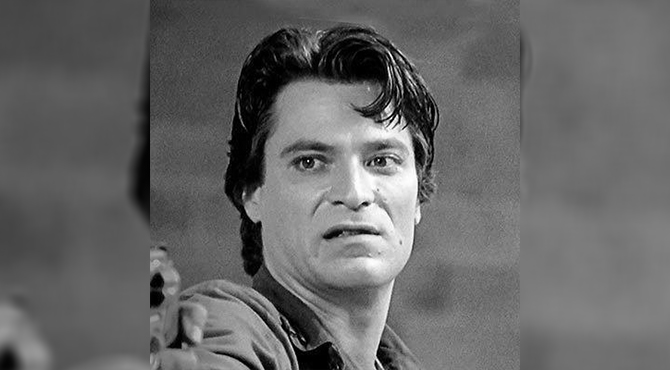
Joseph Pilato was one of those rare character actors whose presence could instantly shift the tone of a scene. Though he was not always in leading roles, his performances carried a raw intensity and realism that made him unforgettable—especially to fans of cult cinema and classic horror. His work continues to resonate strongly within genre filmmaking, where his contributions have become part of its lasting legacy.

Early Life and Path into Acting
Born on March 16, 1949, Joseph Pilato grew up with a natural inclination toward performance and storytelling. Like many working actors of his era, he built his career steadily through small roles in television and film, developing a reputation for reliability, emotional energy, and screen presence. He was not an overnight star. Instead, his career reflects the journey of a committed working actor—someone who earned his place through persistence, craft, and a willingness to take on challenging supporting roles that required strong character work.
Breakthrough in Horror: Day of the Dead
Pilato’s defining moment came with George A. Romero’s 1985 horror masterpiece, Day of the Dead. In the role of Captain Henry Rhodes, he delivered one of the most memorable performances in zombie film history. Rhodes is not a traditional hero or villain, but rather a deeply flawed military leader under immense psychological strain. Pilato portrayed him with explosive emotion, volatility, and a gradual breakdown that mirrors the collapse of civilization around him. His famous line delivery and climactic scenes became iconic in horror culture. Fans still quote and reference his performance decades later, and Captain Rhodes remains one of Romero’s most recognizable human antagonists in the “Dead” series.
Beyond Horror: Versatility in Film and Television
While Day of the Dead remains his most famous role, Pilato’s career extended far beyond horror. He appeared in a wide range of television shows and films, often playing law enforcement officers, tough characters, or authoritative figures. His ability to bring authenticity to these roles made him a valuable supporting actor in many productions. One of his later notable appearances was in Quentin Tarantino’s Pulp Fiction (1994), where even a brief role contributed to the film’s rich ensemble storytelling. His screen presence, even in smaller parts, remained strong and recognizable.
Connection with Fans and Cult Status
As Day of the Dead grew into a cult classic, Pilato embraced the appreciation from horror fans. He regularly attended conventions and fan events, where he became known for his openness, humor, and willingness to engage with audiences. Unlike many actors who distance themselves from their genre roles, Pilato recognized the importance of his contribution to horror cinema and appreciated the community that formed around it. Fans often recall him as approachable and sincere, someone who understood the impact his work had on audiences.
Passing and Legacy
Joseph Pilato passed away on March 24, 2019, just eight days after his 70th birthday. His death marked the loss of a respected working actor whose career helped shape one of horror’s most influential eras. Although he may not have been a mainstream celebrity, his work continues to live on through repeated viewings of his films and the ongoing influence of Romero’s zombie universe.
Remembering His Impact
Joseph Pilato’s legacy is a reminder that cinema is built not only by leading stars but also by dedicated character actors who bring depth, tension, and realism to their roles. His performance as Captain Rhodes remains a defining example of emotional intensity in horror filmmaking. Even today, new audiences discovering Day of the Dead are often struck by his powerful portrayal—a testament to the lasting impact of his craft.
Final Thoughts
In remembering Joseph Pilato, we celebrate a career defined by commitment, authenticity, and unforgettable screen presence. His work continues to inspire admiration from horror fans and filmmakers alike, ensuring that his contribution to cinema will not be forgotten.